




Table of Contents
What Is Original Brand Manufacturing (OBM)?
The Role of OBM in the Industry
Case Studies of Successful OBMs
In the world of manufacturing and retail, Original Brand Manufacturing (OBM) represents a significant evolution from traditional models. OBM refers to companies that design, produce, and sell products under their brand name, rather than for other brands or under contract. This approach allows businesses to control the entire product lifecycle—from conception and design to production and sales—facilitating greater innovation and brand identity development.
The significance of OBM in the industry is profound. It enables companies to build their brand and create a direct connection with consumers, fostering loyalty and enhancing customer satisfaction. By owning the brand, manufacturers can respond swiftly to market trends and consumer preferences, positioning themselves as leaders in their markets.
Additionally, OBM offers opportunities for higher profit margins, as companies can bypass intermediaries and sell directly to consumers or retailers. This model encourages investment in quality and sustainability, as the brand's reputation is closely tied to the product. In a competitive landscape where differentiation is key, OBM is a crucial strategy for companies seeking to establish a strong market presence and drive long-term growth.
What Is Original Brand Manufacturing (OBM)?
Original Brand Manufacturing (OBM) is a distinctive approach in the manufacturing sector, where companies design, produce, and market products under their brand name. Unlike models that focus on manufacturing for other companies, OBM emphasizes brand ownership and the complete product lifecycle, from conception to consumer. This process allows companies to establish a direct connection with customers, offering unique products that reflect the brand's values, quality standards, and vision.
In OBM, companies retain the intellectual property rights for their products, granting them control over specifications, quality, and branding. This model is particularly popular in industries such as consumer electronics, fashion, and cosmetics, where brand differentiation and innovation are key competitive advantages.
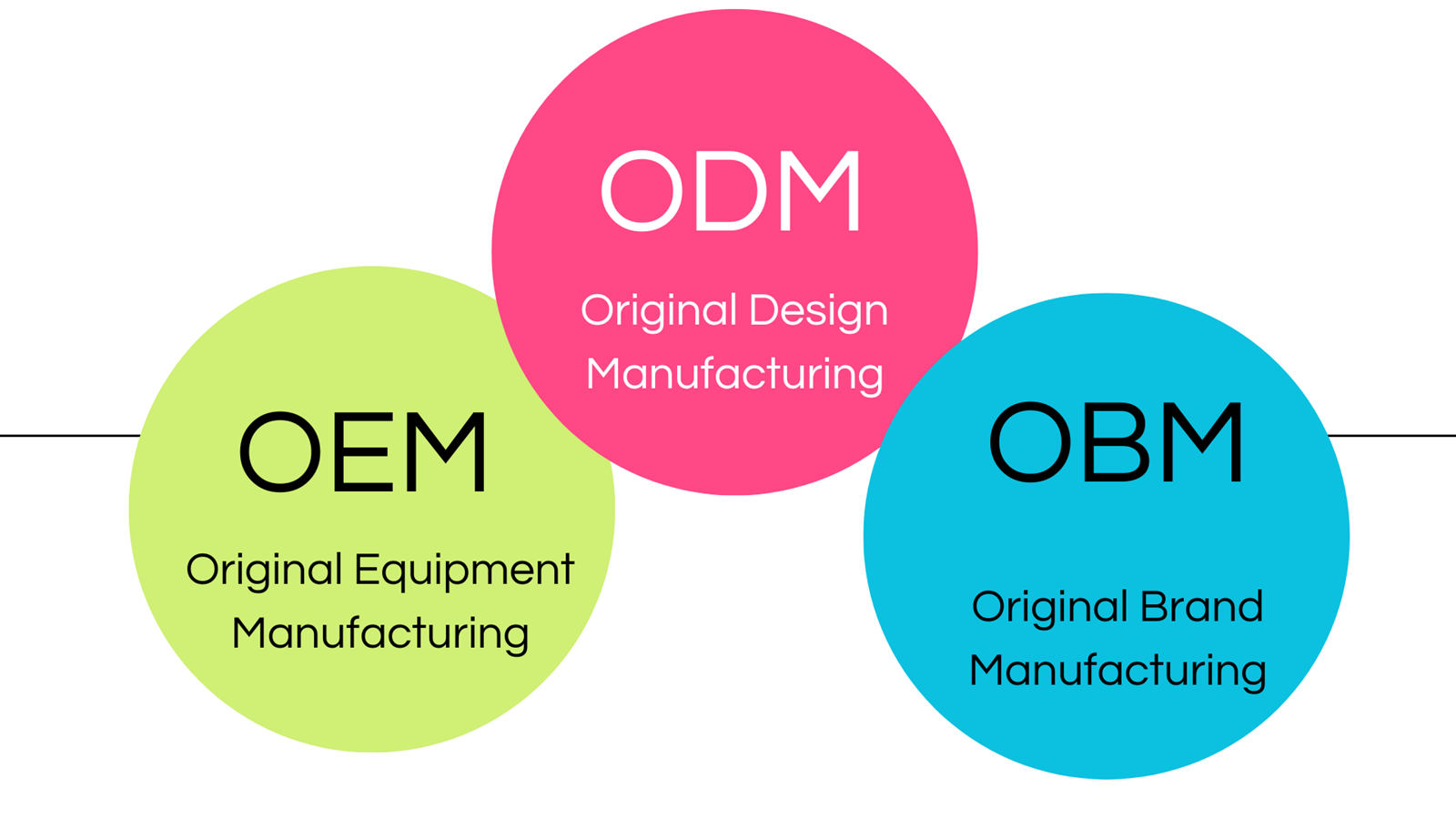
How OBM Differs from OEM and ODM
To understand OBM fully, it's essential to compare it with other manufacturing models like Original Equipment Manufacturer (OEM) and Original Design Manufacturer (ODM).
- OEM (Original Equipment Manufacturer): In the OEM model, a company manufactures products or components purchased by another company. These products are incorporated into the purchasing company's final product and sold under their brand name. The OEM focuses solely on manufacturing, leaving design and branding to the client. This model is prevalent in industries like auto parts, where components must meet precise specifications.
- ODM (Original Design Manufacturer): ODMs go a step further by providing both manufacturing and design services. They develop products based on their designs and specifications, allowing the client to brand them as their own. This model benefits companies looking to expand their product lines without investing heavily in R&D. It is common in consumer electronics, where rapid innovation cycles require quick product development.
OBM stands out from OEM and ODM by providing companies with complete control over their products and brand. While OEM and ODM allow businesses to utilize external manufacturing and design services, they often require sacrificing some control over the product's final look, feel, and quality. In contrast, OBM enables companies to oversee the entire development process, ensuring that every aspect aligns with their brand identity and standards.
The choice between OBM, OEM, and ODM depends on a company's goals, resources, and market positioning. For businesses seeking to build a strong brand identity and foster direct relationships with customers through unique products, OBM offers a compelling path. Although it requires greater investment in design, manufacturing, and marketing, it promises better control over product quality and brand perception. Conversely, OEM and ODM can offer quicker market entry and lower upfront costs for companies willing to operate behind the scenes or those looking to expand their offerings without significant investment in new product development.
Benefits of Being an OBM
Operating as an Original Brand Manufacturer (OBM) offers numerous strategic advantages that can significantly impact business success and growth. This model, where companies design, manufacture, and market products under their brand name, allows for a high level of control and a direct connection with consumers. The benefits of being an OBM span various aspects of business operations, from product development to customer engagement, providing a solid foundation for building a resilient and recognized brand.
Control Over Product Quality and Specifications
A key benefit of being an OBM is the extensive control over product quality and specifications. Unlike outsourcing models, where companies may have limited oversight, OBMs have the autonomy to set strict quality standards and tailor product specifications to align with their vision and market needs. This control ensures that every product meets the brand’s reputation and quality expectations, fostering trust and satisfaction among customers. By overseeing the entire production process, OBMs can quickly identify and rectify any quality issues, ensuring that only the best products reach the market.
Brand Recognition and Customer Loyalty
Operating as an OBM significantly enhances brand recognition and fosters customer loyalty. When consumers purchase a product, they associate their experience with the brand behind it. By consistently delivering high-quality products, OBMs can build a strong brand identity that resonates with their target audience. This recognition is crucial in crowded markets, where a distinct brand can stand out and attract repeat business. Additionally, satisfied customers are more likely to become loyal advocates, recommending products to others and contributing to organic growth through word-of-mouth marketing.
Flexibility in Responding to Market Changes and Consumer Demands
Today’s dynamic markets require businesses to be agile and responsive to shifts in consumer preferences and competitive landscapes. Original Brand Manufacturers (OBMs) hold a significant advantage in this area, as they can quickly adapt their product offerings. Without the constraints of third-party manufacturers or lengthy decision-making processes, OBMs can swiftly respond to emerging trends and feedback. This agility enables them to stay ahead of competitors, continuously innovate, and effectively cater to niche markets.
Furthermore, this flexibility allows for greater customization and personalization, which are crucial for differentiating products in the market. OBMs can leverage direct customer insights and feedback to refine existing products or introduce new features that meet specific needs, thereby enhancing satisfaction and loyalty.
The advantages of being an OBM are substantial, providing businesses with control over their destiny in ways that outsourcing models cannot match. From ensuring product quality to building a loyal customer base and maintaining agility in a fast-paced environment, the OBM model lays a strong foundation for sustainable growth and brand development. By adopting this approach, companies can confidently navigate the complexities of modern markets, leveraging their brand strength for long-term success.
The Role of OBM in the Industry
The Original Brand Manufacturer (OBM) model represents a significant shift within the industry, emphasizing the creation and marketing of products under a company's own brand. This approach allows companies to retain full control over product design, quality, and branding. The role of OBM is multifaceted, impacting product development, brand identity, and ultimately, consumer perception.
Importance of OBM in Product Development and Brand Identity
OBMs play a crucial role in product development, enabling companies to innovate and tailor products to specific market needs and preferences. This autonomy fosters experimentation with new ideas, materials, and technologies without external constraints. As a result, OBMs can differentiate their products in the market by offering unique features or superior quality that sets them apart from competitors.
In terms of brand identity, OBMs are instrumental. Selling products under their brand directly influences consumer perception. Every aspect of the product—design, functionality, packaging, and marketing—reflects the brand's values and promises. This connection allows OBMs to build strong brand equity over time, fostering customer loyalty and supporting premium pricing strategies.
Examples of Industries Where OBM is Particularly Prevalent
- Consumer Electronics: The consumer electronics industry is a prime example of where OBM plays a pivotal role. Companies like Apple, Samsung, and Sony design, manufacture, and market their products under their brands, enabling continuous innovation that shapes industry trends and consumer expectations.
- Fashion and Apparel: In fashion, brand identity is everything. Companies such as Nike, Adidas, and Gucci operate as OBMs, creating collections that align with their iconic brands. This strategy allows them to control the narrative around their products, ensuring they resonate with their brand's image and target audience.
- Automotive: The automotive sector relies heavily on OBM for differentiation and brand loyalty. Manufacturers like Tesla, BMW, and Toyota develop their vehicles and technologies in-house, selling them under their well-established brands. This control over product development and branding facilitates innovation in areas like electric vehicles and autonomous driving technologies.
- Pharmaceuticals: OBM is crucial in the pharmaceutical industry, where companies invest significantly in research and development to bring new drugs to market. Firms like Pfizer and Johnson & Johnson develop and market their products under their brands, establishing trust and credibility with both medical professionals and consumers.
In conclusion, OBM is essential for companies seeking to innovate, differentiate, and build strong brand identities. By controlling product development and branding, OBMs can directly influence consumer perceptions and loyalty, which is vital in today's competitive marketplace. Whether it's in electronics, fashion, automotive, or pharmaceuticals, the OBM model offers a pathway to success by aligning product offerings with brand values and market demands.
Challenges Faced by OBMs
Original Brand Manufacturers (OBMs) play a crucial role in the global market by offering products under their brand names. However, they face a unique set of challenges in an ever-evolving business landscape. From initial investment hurdles to supply chain complexities, OBMs navigate a path filled with both opportunities and obstacles. Understanding these challenges is essential for any OBM aiming to carve out a successful niche.
Initial Investment and Resource Requirements
A primary challenge for OBMs is the significant initial investment needed to launch and sustain a brand. This includes not only financial outlay for product development, manufacturing, and marketing, but also investments in human capital and technology. Developing a product from scratch requires extensive research and development (R&D), which can be resource-intensive. Additionally, establishing a brand demands substantial marketing efforts to build brand awareness and loyalty among consumers. For many startups and even established businesses launching new products, securing the necessary funding and resources can be daunting.
Market Competition and Brand Differentiation
In today's saturated markets, OBMs face intense competition from other OBMs, private labels, and generic brands. Standing out requires clear brand differentiation, which involves deeply understanding target audiences and creating products that address specific needs unmet by competitors. OBMs must effectively communicate their unique value propositions through branding and marketing strategies. Maintaining this differentiation demands continuous innovation and adaptation to changing consumer trends, which can be challenging in fast-paced industries.
Managing Production and Supply Chain Complexities
The production process and supply chain management are fraught with complexities for OBMs. These range from ensuring product quality and consistency to managing logistics and inventory efficiently. OBMs often rely on a network of suppliers and manufacturers, introducing risks related to quality control, timely delivery, and cost fluctuations. Global supply chains are also vulnerable to disruptions from geopolitical tensions, natural disasters, or pandemics. Managing these complexities requires robust strategies, including supplier diversification, investment in supply chain technologies, and effective risk management practices.
In conclusion, while OBMs have the opportunity to bring their unique visions to the market, they must navigate a myriad of challenges to succeed. Initial investment requirements, competitive market dynamics, and supply chain complexities are just a few hurdles they face. Overcoming these challenges demands strategic planning, innovation, and resilience. Those who succeed can build strong brands that resonate with consumers and endure in the competitive global marketplace.

Steps to Becoming an OBM
Becoming an Original Brand Manufacturer (OBM) represents a significant leap from merely participating in the supply chain to owning and controlling a brand that resonates with consumers. This transition elevates your market position and allows for greater control over product quality, branding, and profit margins. Here are the essential steps to embark on this transformative journey:
1. Develop a Unique Product or Brand Concept
The foundation of becoming an OBM lies in having a unique product or brand concept. This requires a deep understanding of market needs, customer preferences, and existing gaps in the industry. Your concept should offer something distinct—whether it's an innovative product, a new approach to a common problem, or a unique brand ethos. This differentiation is crucial for carving out a niche in the market and attracting a loyal customer base.
2. Invest in Research and Development (R&D)
Once you have a clear concept, invest in research and development (R&D) to bring your idea to life. R&D is critical for refining your product design to meet consumer needs and market expectations. This stage may involve creating prototypes, conducting consumer testing, and iterating on the design based on feedback. It's also the time to explore patents or other intellectual property protections to safeguard your innovations.
3. Establish Manufacturing Capabilities or Partnerships
With a tested and refined product, establish manufacturing capabilities to produce it at scale. This can be achieved either by setting up your manufacturing facilities or forming partnerships with existing manufacturers. The latter is often more feasible for new OBMs, requiring less upfront investment. When choosing a manufacturing partner, consider factors such as their production capacity, quality control processes, and willingness to collaborate on product adjustments.
4. Implement Marketing and Brand-Building Strategies
Having a great product is only part of the equation; you also need to build a strong brand around it. This involves developing a comprehensive marketing strategy that encompasses branding, packaging, online presence, and promotional activities. Your brand should communicate your product's unique value proposition and resonate with your target audience's desires and values. Utilizing social media, content marketing, influencer partnerships, and traditional advertising can effectively increase brand awareness and build customer loyalty.
Transitioning into an OBM is a challenging but rewarding process that requires creativity, strategic planning, and perseverance. By developing a unique product or brand concept, investing in R&D, establishing manufacturing capabilities or partnerships, and implementing effective marketing and brand-building strategies, you can successfully navigate this journey. The path to becoming an OBM offers the opportunity to bring your vision to life and create a lasting impact on the market.
Case Studies of Successful OBMs
Original Brand Manufacturers (OBMs) design, manufacture, and market products under their brand name. Unlike Original Equipment Manufacturers (OEMs) that produce items for other companies, OBMs control their product's entire lifecycle, from conception to the consumer. This control enables them to build strong brand identities and foster customer loyalty. Let’s explore successful OBMs across various industries, analyzing their strategies and drawing lessons from their achievements.
Apple Inc. (Technology and Consumer Electronics)
Strategy: Apple's success as an OBM is largely due to its focus on innovation, quality, and a seamless user experience. The company heavily invests in research and development to create cutting-edge products that set industry standards. Apple's marketing strategy emphasizes the premium nature of its offerings, creating a strong brand image that appeals to consumers willing to pay more for perceived value.
Lesson: Investing in innovation and maintaining a strong brand identity can command premium pricing and foster customer loyalty.
Nike, Inc. (Apparel and Footwear)
Strategy: Nike has mastered brand storytelling and athlete endorsements, transforming itself into a lifestyle brand rather than just an apparel and footwear manufacturer. Its commitment to product innovation and effective digital marketing strategies has solidified its position as a leader in the global sports apparel market.
Lesson: Powerful branding and marketing, along with continuous product innovation, can create an emotional connection with consumers, driving brand loyalty.
Tesla, Inc. (Automotive)
Strategy: Tesla has revolutionized the automotive industry by focusing on sustainable energy and electric vehicles (EVs). Its direct-to-consumer sales model bypasses traditional dealerships, offering a unique buying experience. Tesla's strategy includes significant investments in technology and infrastructure, such as its Supercharger network, enhancing the value proposition of its EVs.
Lesson: Disrupting traditional industry models with innovative products and unique sales strategies can create new markets and drive growth.
Samsung Electronics (Consumer Electronics)
Strategy: Samsung’s success stems from its diverse product range that caters to various market segments. Its ability to quickly adapt to market trends and invest in technology has made it a dominant player in consumer electronics. Samsung also benefits from its vertical integration, controlling the production of key components used in its products.
Lesson: Flexibility, adaptability, and vertical integration can provide competitive advantages in rapidly changing industries.
Coca-Cola Company (Beverages)
Strategy: Coca-Cola's success is built on unparalleled brand recognition and a global distribution network. Its marketing strategies have fostered deep emotional connections with consumers worldwide. The company also continuously innovates its product line and packaging to meet changing consumer preferences while maintaining its core brand identity.
Lesson: Strong global branding combined with local market adaptation and continuous innovation can sustain long-term success.
Lessons Learned
These OBMs demonstrate that a focus on innovation, strong branding, customer experience, and adaptability to market changes is key to building a successful brand. For companies aspiring to become successful OBMs, these examples provide valuable insights into strategic planning and execution that can lead to sustained growth and market leadership.
Conclusion
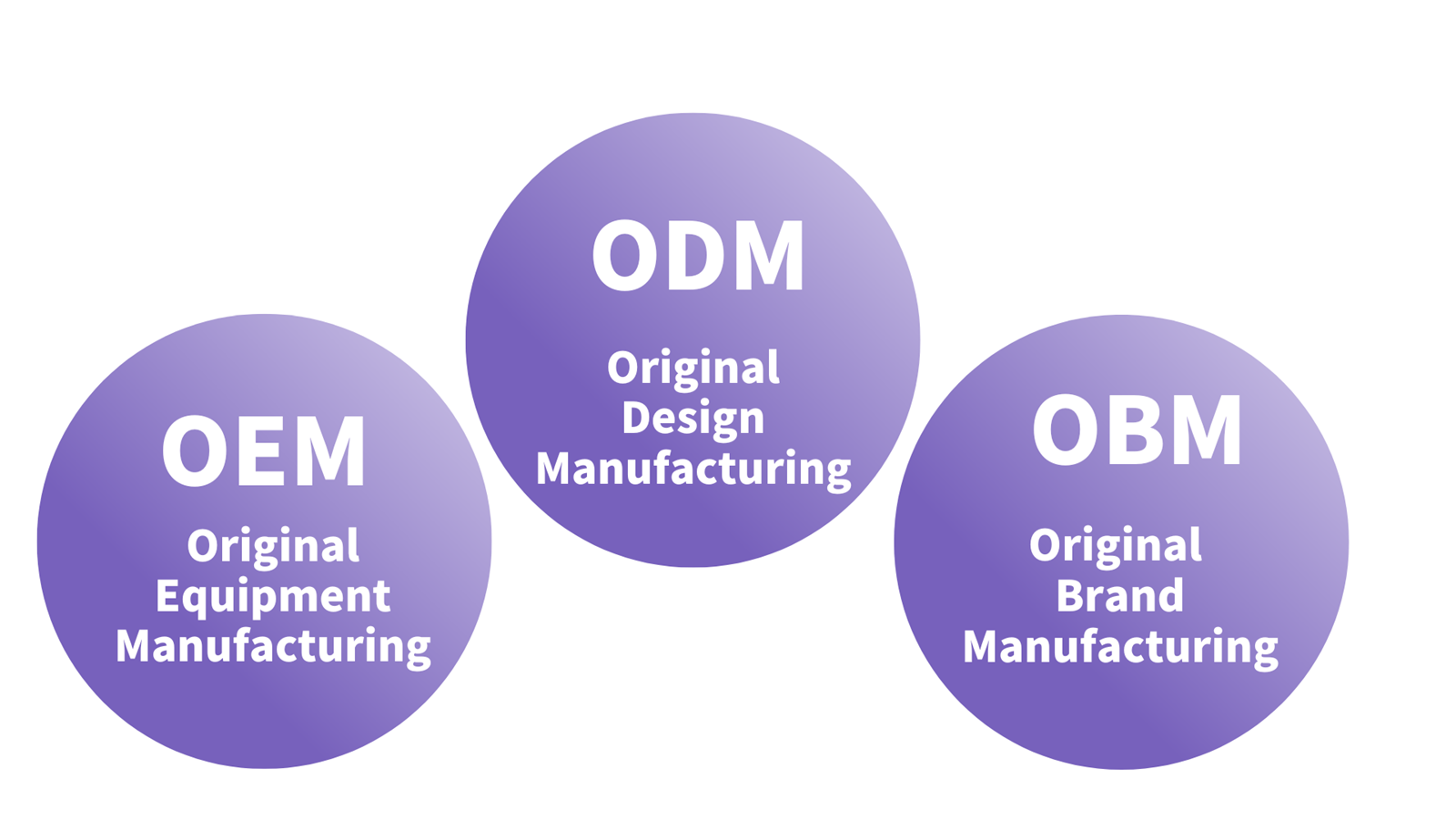
Original Brand Manufacturing (OBM) represents a pivotal strategy in today's market, marking a significant shift from traditional manufacturing practices. This approach elevates a company's brand value and offers a unique proposition in a competitive landscape. The intricacies and benefits of adopting an OBM model hold substantial potential for both new and existing businesses aiming to carve out a distinct identity in the marketplace.
Recap of the Significance of Original Brand Manufacturing in Today’s Market
OBM is vital for innovation and brand differentiation. As consumers increasingly seek authenticity and quality, OBM enables companies to control product design, quality, and branding directly. This involvement ensures that products align perfectly with the brand’s vision and values, offering something unique to consumers.
OBM strategies enhance customer loyalty and profit margins by eliminating intermediaries and creating products that resonate more deeply with target audiences. The importance of OBM in today's market is clear: it empowers brands to stand with unique offerings that reflect their ethos, rather than relying on generic, mass-produced items. This shift towards originality and brand-centric manufacturing is a response to evolving consumer preferences for products that convey a story or embody specific lifestyles and values.
Final Thoughts on the Potential for New and Existing Businesses to Adopt an OBM Model
The potential for businesses to adopt an OBM model is immense. For new businesses, starting with an OBM approach helps establish a strong brand identity from the outset, allowing for the creation of unique products that differentiate the brand in the market. Existing businesses can rejuvenate their brands by transitioning to an OBM model, fostering deeper connections with consumers, and breaking free from commoditization.
While adopting an OBM model presents challenges, such as higher initial costs and a more hands-on approach to product development, the long-term benefits of brand loyalty, increased profit margins, and market differentiation make it a worthwhile investment.
Call to Action
For businesses aiming to carve out a unique space in their industry or revitalize their brand, exploring the benefits of OBM is a strategic move. Original Brand Manufacturing offers an unparalleled opportunity to align products with your brand’s vision and values, ensuring every item you sell contributes to building your brand identity and connecting with your target audience.
If you're interested in becoming an Original Brand Manufacturer, consider reaching out to industry experts for insights and guidance on transitioning to or starting with an OBM model. These professionals can offer valuable advice on navigating challenges and maximizing the benefits of OBM.
In conclusion, embracing Original Brand Manufacturing could transform your business, helping it stand out, connect with consumers, and achieve long-term success. Take this bold step towards becoming an OBM and watch your brand grow in ways you never imagined.
You May Also Like:
How to Safely Source and Sell Products on GlobalSources.com
OEM: What Is an Original Equipment Manufacturer?
What is Original Design Manufacturing (ODM)?
Ultimate Guide: What is Contract Manufacturing?
Decoding ODM, OEM, & OBM: Manufacturing Models Explained with Real-World Cases

